
Does Insurance Cover Roof Leaks in Texas?
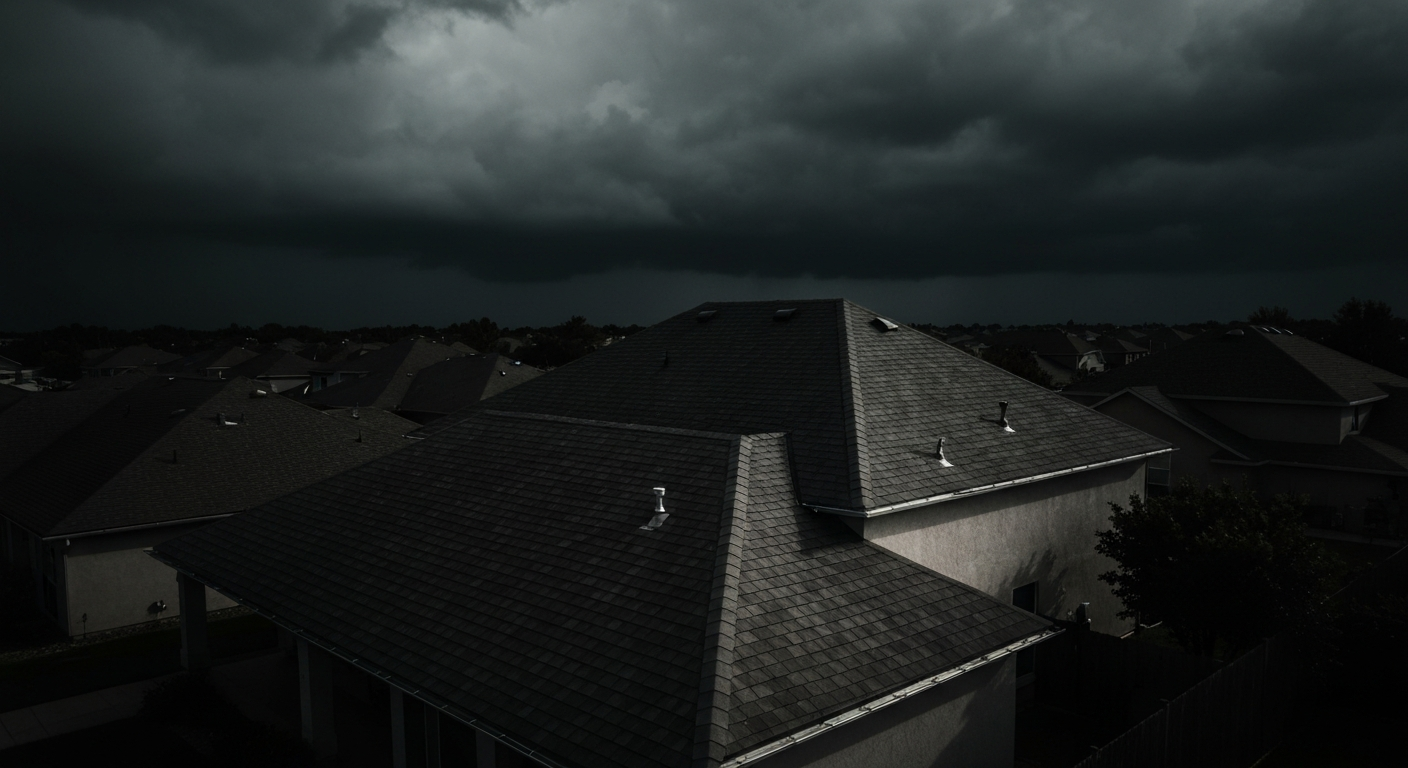
Discovering a water stain on your ceiling is a sinking feeling for any homeowner. The immediate next thought is usually: "Is my insurance going to pay for this?" In Texas, where severe weather is a fact of life, the answer is often "yes" — but it depends entirely on what caused the leak.
What Texas Homeowner Policies Typically Cover
Standard homeowner's insurance policies are designed to cover sudden, accidental damage caused by covered "perils." In North Texas, the most common covered perils include:
- Hail Storms: If severe hail fractures your shingles and leads to a leak, the repair or replacement is typically covered.
- Wind Damage: High winds that tear off shingles, rip flashing, or blow debris onto your roof are generally covered events.
- Fallen Trees: If a storm blows a tree branch onto your roof and punctures it, resulting in a leak, your policy should kick in.
If your leak is the direct result of one of these sudden events, your insurance will likely cover the cost to repair the roof, as well as the interior water damage (like drywall and paint).
Common Reasons Claims Get Denied
Insurance doesn't cover everything. Here are the most common reasons a roof leak claim might be denied:
- Wear and Tear: Insurance is not a maintenance plan. If your roof is simply old and the shingles have degraded to the point of leaking, it will not be covered.
- Lack of Maintenance: If a leak occurs because your gutters were completely clogged with leaves, forcing water under your shingles, the adjuster may deny the claim due to negligence.
- Improper Installation: If a previous contractor installed the roof or flashing incorrectly, resulting in a leak years later, your insurance company will likely point the finger at the faulty workmanship, not a covered peril.
How Proper Documentation Improves Your Odds
When filing a claim, the burden of proof is on you. Having a professional roofing contractor on your side makes a massive difference. Here is how proper documentation helps:
- Photographic Evidence: A roofer will take clear, up-close photos of the storm damage (like bruised shingles or torn flashing) to prove the leak wasn't just caused by age.
- Professional Tarping: If you have an active leak, you are required by your policy to "mitigate further damage." A professional will tarp the roof and document the temporary repair, which is usually reimbursable.
- Speaking the Adjuster's Language: A qualified roofer knows exactly what codes and terminology the insurance adjuster needs to see to approve the claim.
Why Timing Matters: The 12-Month Rule
In Texas, you typically have exactly 12 months from the date of the storm to file an insurance claim. If a hail storm hits in May, but you don't notice the leak until the following June, your claim could be denied simply because the filing window expired. This is why getting a free inspection immediately after a major storm is so critical.
Have a leak? Let us take a look.
Don't guess whether your leak is covered by insurance. We offer completely free, no-obligation roof inspections and claims consultations. We'll document the damage and give you an honest assessment of whether you should file a claim.
Book Your Free Inspection & Consultation
Fill out the form below and we'll contact you shortly to schedule.